
According to Sachs (2005), participation is defined as the active involvement of affected populations in decision-making, implementation, management and evaluation of policies, programmes and services. This necessity for participation, with actions carried out ‘by and with people, not on or to people’, was reaffirmed in the Jakarta Declaration (WHO, 1997) and remains a fundamental principle of health promotion. A participative decision-making style involves engaging team members in the decision-making process. This approach seeks their opinions, suggestions, and preferences, and these inputs are considered when making the final decision (Rolková, M., & Farkašová, V., 2015).
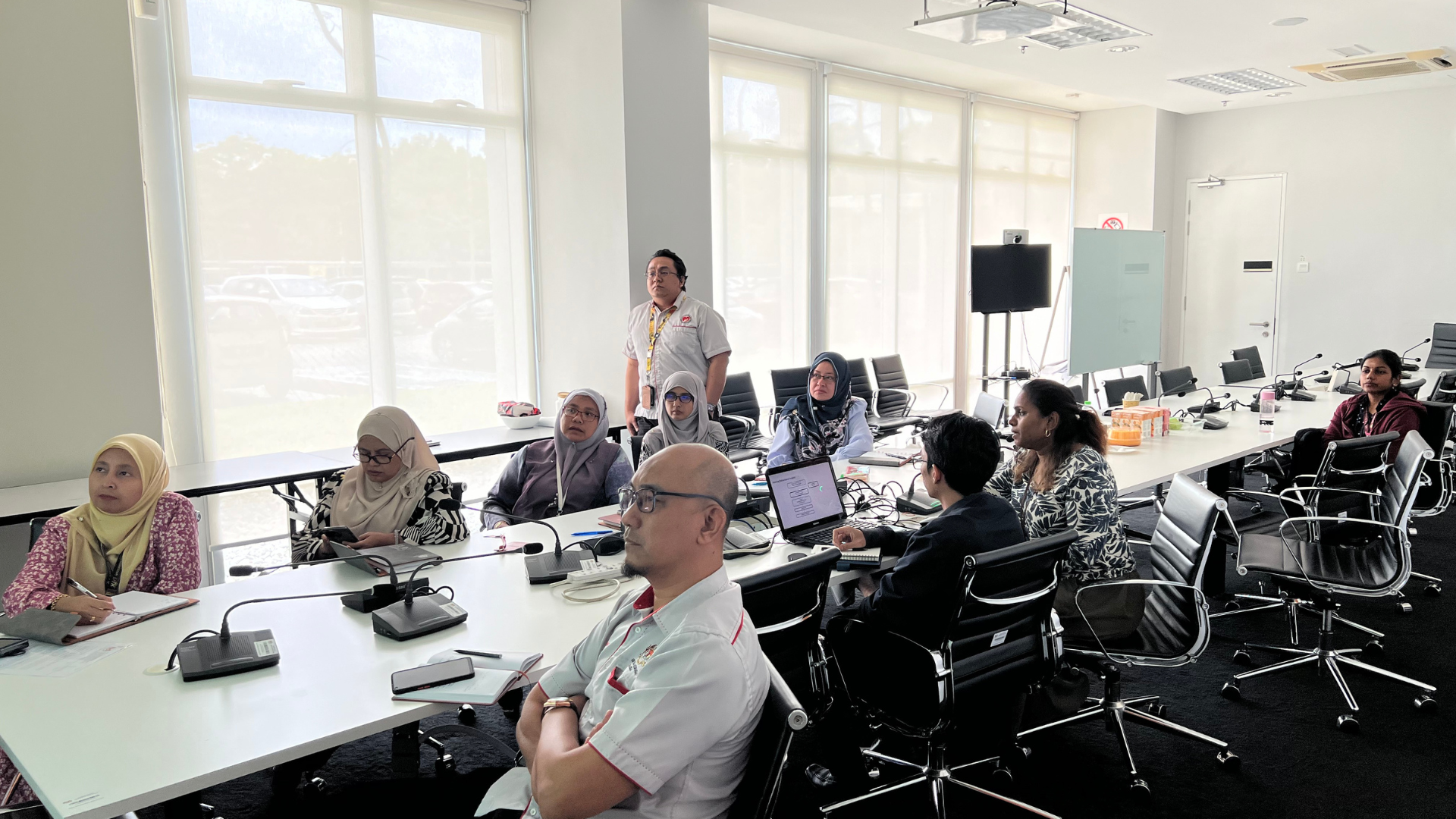
Here in the Behavioural Insights (BI) Unit at IHBR, we strive to incorporate a participative decision-making style by actively involving our colleagues in decision-making, strategy development, and related matters. For instance, in our collective effort to develop a terms of reference for the Behavioural Insights Focal Person, we organized sessions with all Heads of Health Promotion Units from all states in Malaysia. During these sessions, we sought their feedback and comments to ensure that the terms of reference were feasible, realistic, achievable, and within their capabilities. This collaborative approach not only enhances the quality of our initiatives but also fosters a sense of ownership and commitment among our team members.
Another example is our ongoing effort to design the strategy for the upcoming townhall session and workshop focused on prioritizing key strategies for behavioural insights in health in Malaysia. Recognizing the complexity of these events, which involve various stakeholders from across the country, we are committed to developing a realistic and refined strategy to ensure we achieve our objectives. This involves careful planning and active consultation with all relevant parties to address their needs and expectations, ensuring the events are productive and successful.
We believe that a participatory approach is beneficial as it encourage shared responsibility, builds a sense of ownership and accountability, promotes transparency, and enhances decision quality.
The BI Unit IHBR